📍Location & Size
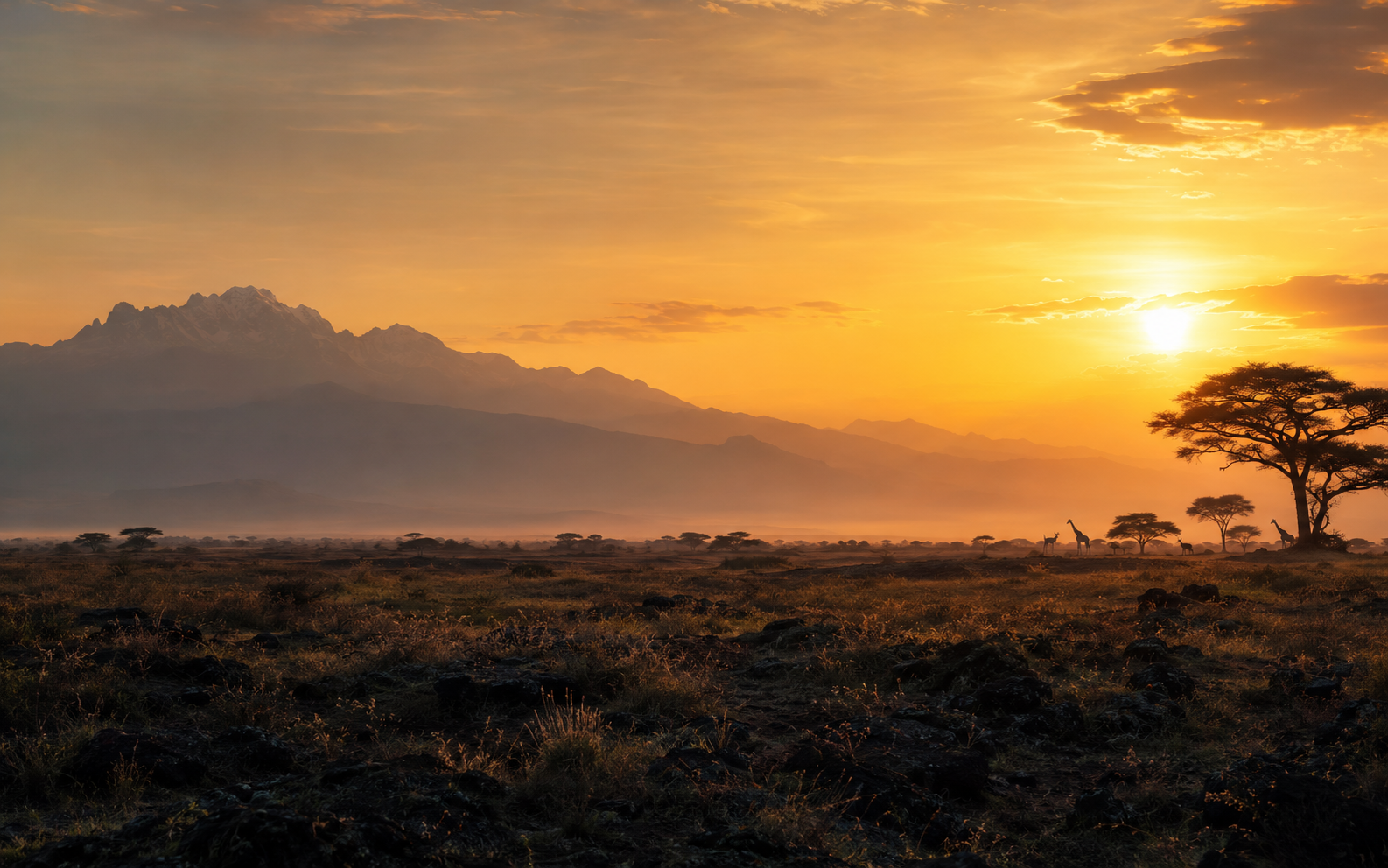
Queen Elizabeth National Park lies in western Uganda between Lakes Edward and George, with the Rwenzori Mountains rising beyond its northern landscapes. Uganda Wildlife Authority lists the park at approximately 1,978 km².
Because the park covers several sectors, travel time inside it can be longer than expected. Your lodge and activities should be chosen together to avoid spending too much of the safari day on transfers.
🗺️Why It Is Special
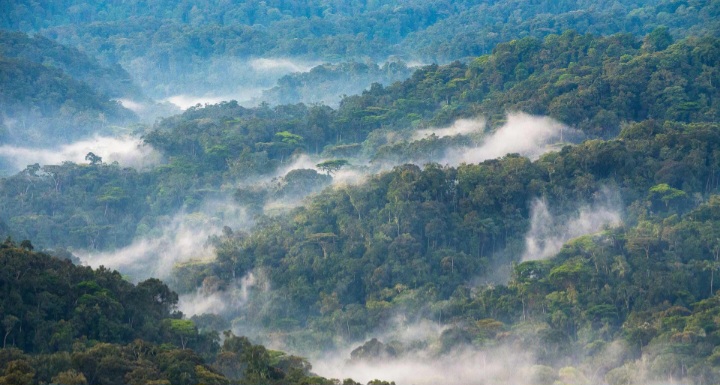
Savannah, wetlands, forests, crater lakes and volcanic features create many habitats within one protected landscape. This diversity supports mammals, primates, reptiles and an exceptional number of birds.
A visitor can experience very different scenery in a single journey—from the open Kasenyi Plains and Kazinga Channel to Kyambura Gorge, crater country and the remote Ishasha sector.
🦁Tree-climbing Lions
The southern Ishasha sector is celebrated for lions that are sometimes seen resting in the broad branches of fig trees. The behaviour offers a remarkable photographic experience when conditions are favourable.
These lions move freely and sightings are never guaranteed. Allow enough time for Ishasha, travel with an experienced guide and avoid pressuring or crowding resting animals.
🚤Kazinga Channel
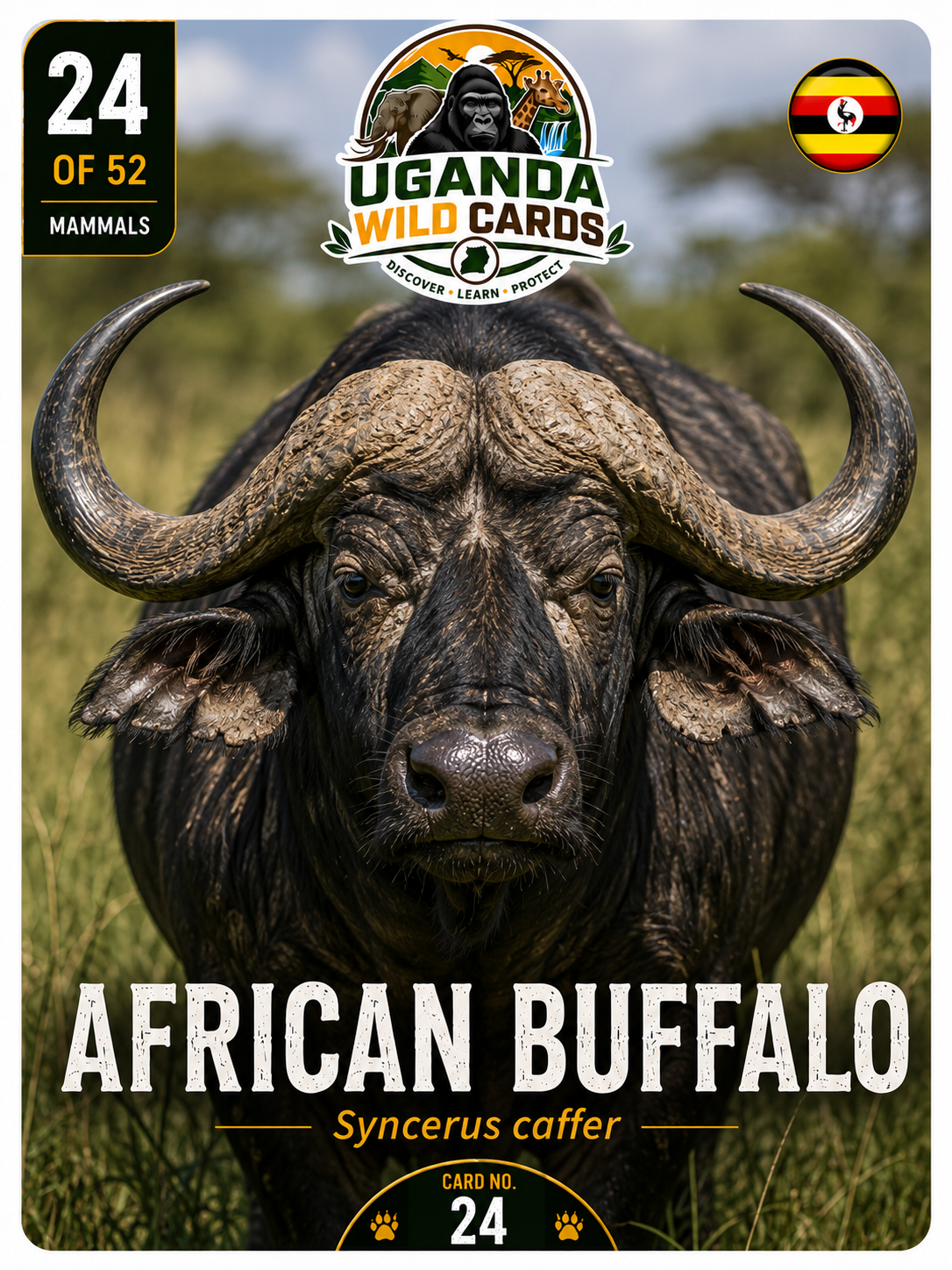
The natural channel links Lakes George and Edward. A guided cruise can reveal hippos, Nile crocodiles, elephants, buffaloes and large gatherings of waterbirds along its banks.
Boat departures and availability can change, so reserve a preferred time before arrival. Carry sun protection, binoculars and a camera strap, and always follow the crew’s safety instructions.
🐘Wildlife
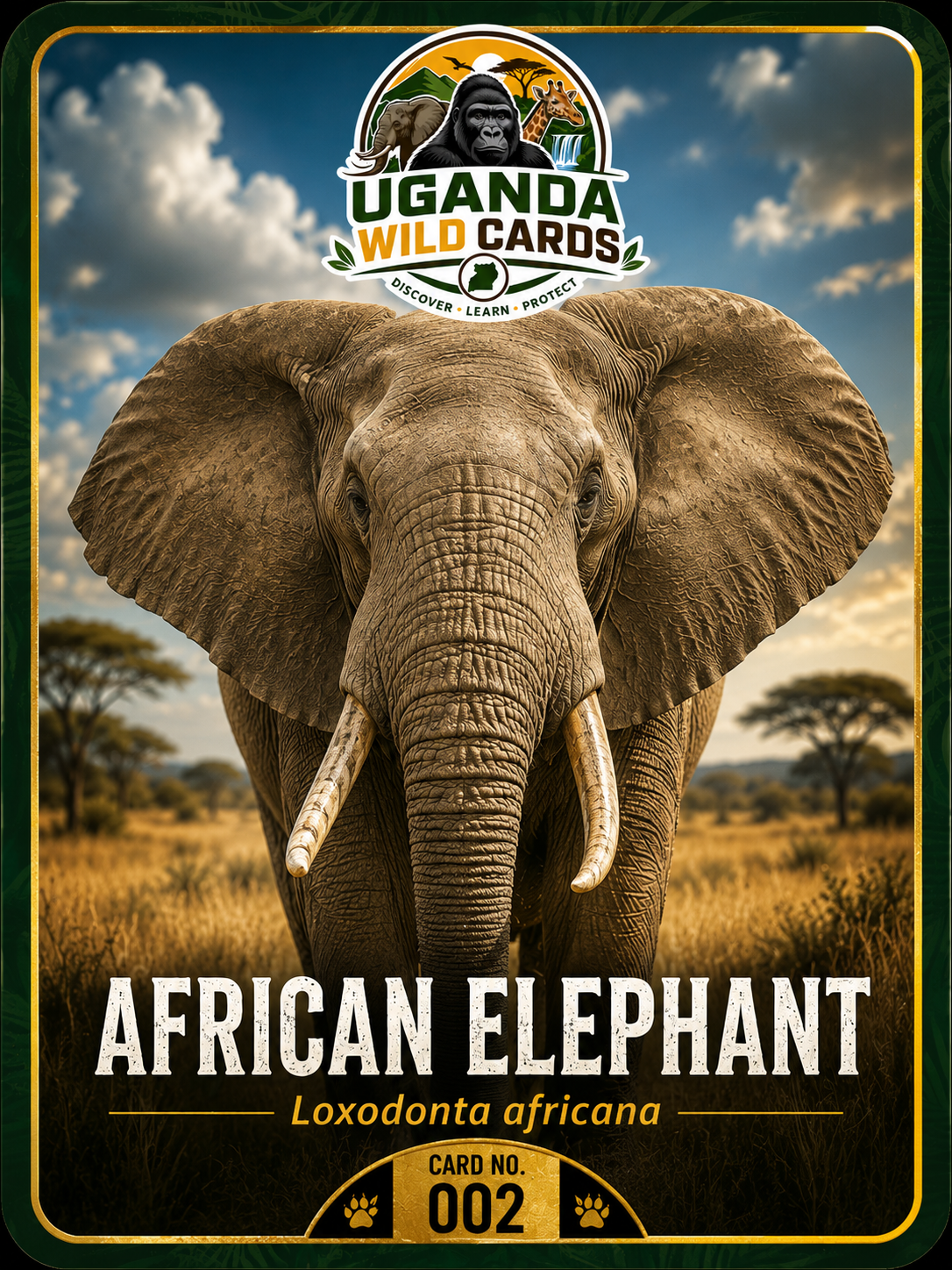
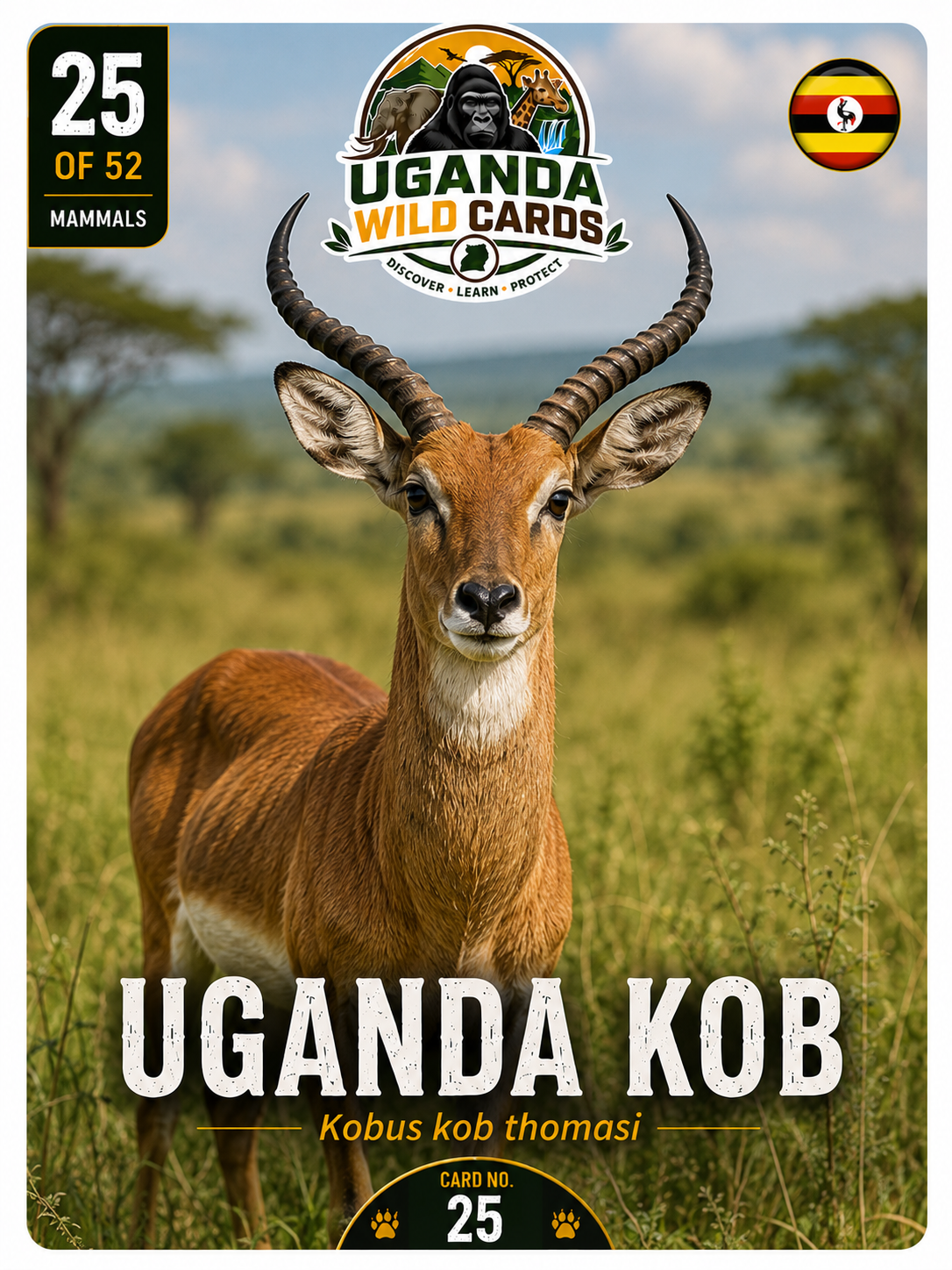
The park protects more than 95 mammal species, including elephants, buffaloes, lions, leopards, Uganda kobs, warthogs, hippos and several primates.
Early mornings and late afternoons are often comfortable for game drives. Wildlife remains unpredictable, so a slower pace and patient observation usually create a better experience than rushing between sightings.
🐦Birding
More than 600 bird species have been recorded across the park’s savannah, forest, lake and wetland habitats. Migratory species add further variety mainly from November to April.
Tell us whether you are a casual bird lover or a dedicated birder. That helps us arrange an appropriate guide, allow longer observation time and select the most rewarding habitats.
🌋Crater Country
The crater landscape records the region’s volcanic history through explosion craters, salt lakes, rolling grasslands and sweeping viewpoints. It offers a striking contrast to the park’s main plains.
Road and visibility conditions vary with the weather. A guided crater drive helps visitors understand both the geology and the communities whose lives are connected to this landscape.
🧂Lake Katwe
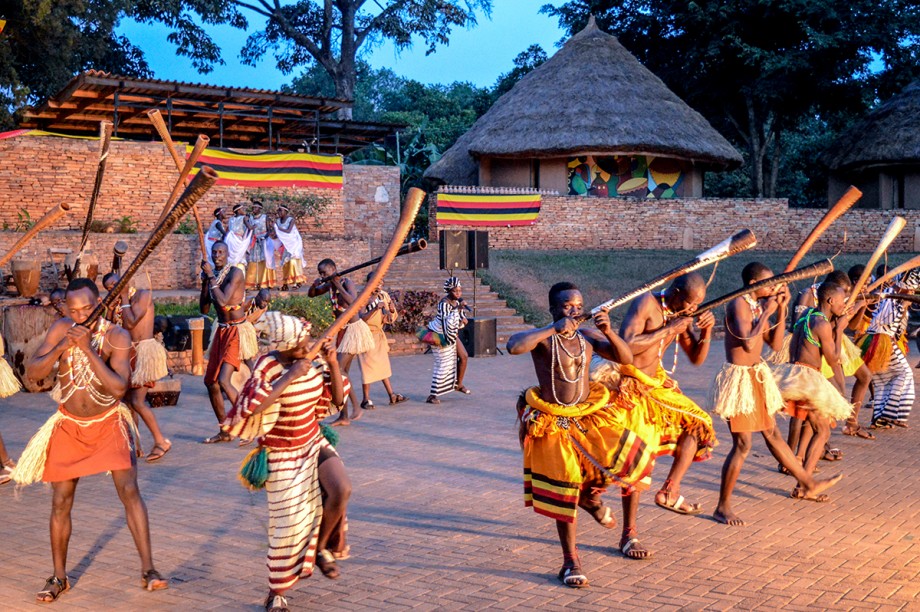
Lake Katwe is known for traditional salt production and generations of human history. A respectful community visit can explain how salt has shaped local work, trade and identity.
Arrange the experience through a recognised guide, ask permission before photographing people and buy local products fairly when appropriate. Conditions can be hot, so carry water and sun protection.
🐒Kyambura Gorge
Kyambura is a forested gorge set dramatically within the surrounding savannah. It is known for guided chimpanzee tracking and encounters with other forest wildlife.
Tracking normally requires a separate permit, suitable footwear and advance planning. Chimpanzees move naturally through dense habitat, which means observation can be rewarding but is not guaranteed.
🚙What to Do
Visitors can enjoy guided game drives, Kazinga Channel cruises, birdwatching, crater exploration, photography and carefully arranged cultural or community experiences.
Trying to cover every activity in one day creates a rushed safari. Choose two or three priorities and allow quiet time for observation, meals, rest and unexpected wildlife encounters.
☀️When to Visit
The park welcomes visitors throughout the year. June to September and December to February are generally drier, while wetter months bring greener scenery, dramatic skies and rewarding birdlife.
Rain can occur in any season and some tracks may become muddy. Pack for changing conditions and ask about current road access shortly before departure.
⏱️How Long to Stay
Two or three nights usually allow time for a game drive and Kazinga Channel cruise without making the visit feel hurried. The right duration depends on arrival and departure times.
Add another night if you want Ishasha, Kyambura Gorge, dedicated birding or a slower photography programme. A longer stay also creates flexibility if weather affects an activity.
🚗Getting There
Most visitors arrive by road from Kampala, Entebbe, Kibale or Bwindi. Travel time depends on the chosen park gate, traffic, road conditions and lodge location.
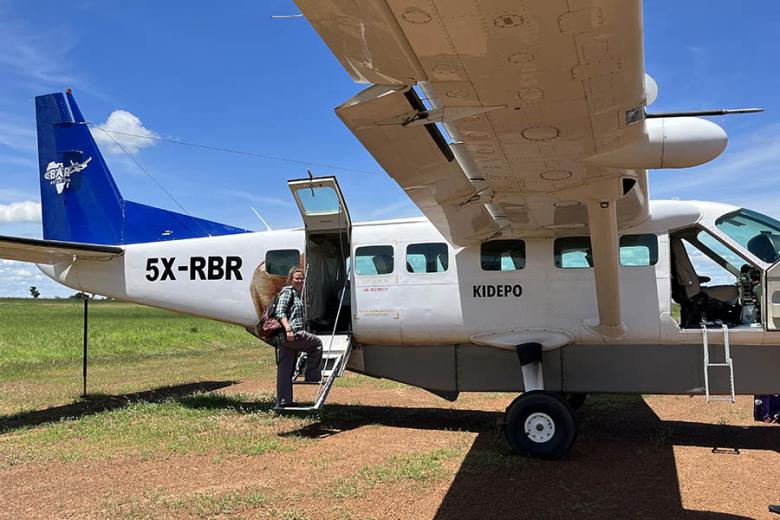
Domestic air connections can shorten the journey for some itineraries. Muzunguka Safaris can compare road and flight options after considering your schedule, group size and budget.
🏕️Where to Stay
Accommodation ranges from simple camps to luxury lodges around Mweya, Kyambura, Kasenyi and Ishasha. Each area offers different access to activities and wildlife-viewing routes.
Selecting a lodge only by price can create long transfers. We recommend balancing comfort, location, meal arrangements and the experiences you most want to enjoy.
🎟️Park Fees & Activities
UWA currently lists entry from US$40 for foreign non-residents, US$30 for foreign residents and UGX20,000 for East African citizens. These figures should be checked again before booking.
Vehicle entry, boat cruises, guiding and chimpanzee permits may be charged separately. Your quotation should clearly show which park and activity costs are included.
🎒What to Carry
Pack neutral lightweight clothing, a hat, sunscreen, insect repellent, binoculars, camera, reusable water bottle and a light rain jacket. A warm layer is helpful for early starts.
Keep valuable equipment protected from dust, rain and boat spray. Soft-sided luggage is easier to handle in safari vehicles, and a small daypack keeps essentials close.
🩺Health Preparation
Comprehensive travel insurance is strongly recommended, including medical treatment and evacuation. Visitors should consult a qualified travel-health professional about vaccinations and malaria prevention.
Carry personal medicine in its original packaging and bring enough for the journey. Inform us privately about allergies, dietary needs or medical conditions that may affect your activities.
👨👩👧Families & Accessibility
Game drives and boat cruises can work well for families, but some activities have minimum-age or fitness requirements. Chimpanzee tracking may not be suitable for younger children.
Tell us the children’s ages and any mobility, sensory or medical needs before booking. We can adjust driving hours, accommodation and activities to make the journey more comfortable.
🦒Responsible Viewing
Remain inside the vehicle unless your guide gives permission, keep noise low and never feed or chase wildlife. Follow ranger instructions on both land and water.
Do not litter, remove plants or purchase wildlife products. Respect local communities, request consent before photographing people and support experiences that protect dignity.
🔭Wildlife Is Wild
Tree-climbing lions, leopards, chimpanzees and other animals move freely through natural habitats. No responsible guide can promise a particular sighting.
Approach the safari with curiosity rather than a checklist. Landscapes, birds, tracks, behaviour and smaller species often become some of the journey’s most memorable discoveries.
🧭Combine Your Journey
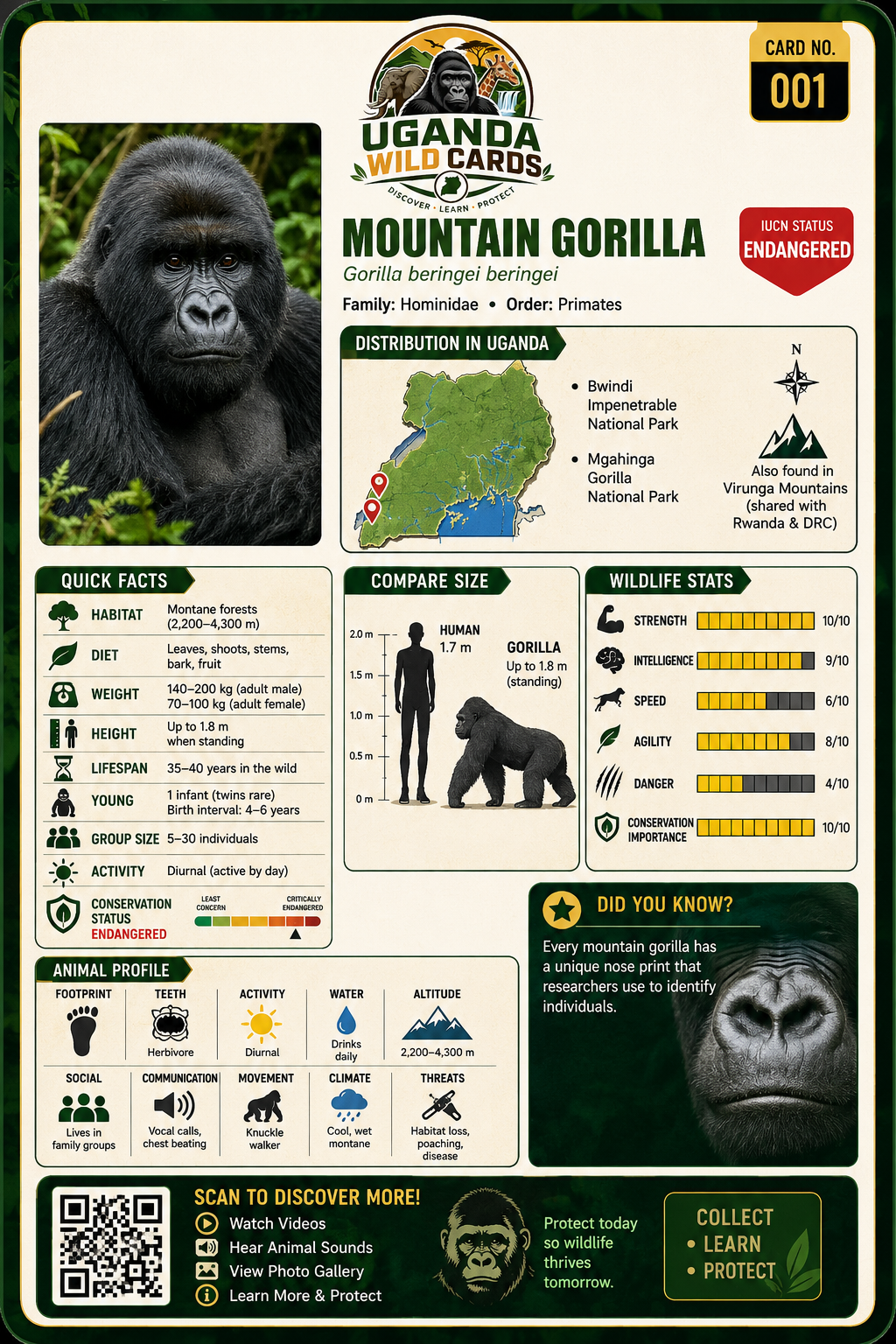
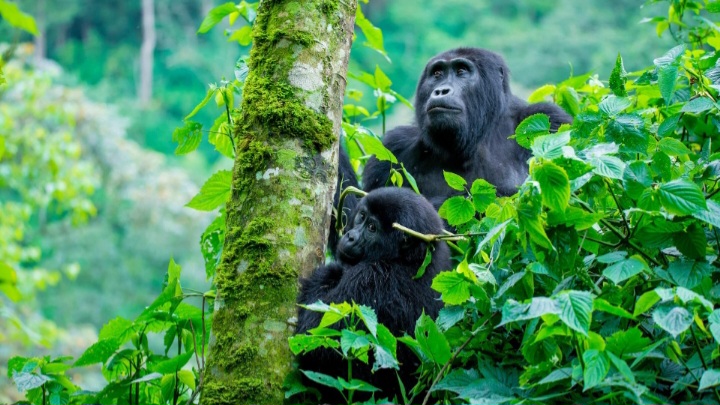
Queen Elizabeth combines naturally with Kibale for chimpanzees, Bwindi for mountain gorillas, the Rwenzori region and Lake Mburo National Park.
A well-paced circuit reduces backtracking and balances long drives with activities. Share your available days and main interests so we can arrange the destinations in a sensible order.









_RMG_F8616_(cropped).jpg)








.jpg)
.jpg)
_RMG_F8616_(cropped)(1).jpg)